What Happens to Cats? Understanding Their Final Days, Death, and What Comes Next
Cats bring comfort, companionship, and happiness into our lives. From their playful behaviour to the quiet moments they spend beside us, they often become cherished members of the family. But many cat owners eventually ask a difficult question: What happens to cats when they are dying, and what happens after they die?
Understanding the physical changes cats experience, the behaviours they may display near the end of life, and the choices available to their owners can help families make compassionate decisions. This guide explores these questions, explains how to recognise potential warning signs, and offers practical advice for caring for a cat during a difficult time.
What Happens to Cats When They Are Dying?
The experience of dying is different for every cat. Some cats experience a gradual decline caused by an age-related condition or long-term illness, while others may become critically ill very suddenly.
As a cat’s health deteriorates, its normal routines and behaviour may change. A previously active cat might sleep more, lose interest in favourite activities, or spend more time in a quiet corner.
Possible warning signs include:
- Reduced appetite: The cat eats significantly less or stops eating.
- Weight loss: The body becomes noticeably thinner over time.
- Increased hiding: The cat seeks quiet, secluded places.
- Low energy: Walking, jumping, or grooming becomes difficult.
- Changes in behaviour: The cat becomes unusually withdrawn, restless, or clingy.
- Breathing difficulties: Breathing becomes unusually fast, laboured, or noisy.
- Changes in drinking or toileting: Water intake or litter-box habits change noticeably.
These symptoms do not automatically mean a cat is dying. Many can occur with treatable illnesses, which is why veterinary assessment is important. Breathing difficulties, collapse, seizures, or an inability to urinate require urgent veterinary attention.
Do Cats Know When They Are Dying?
It is difficult to know exactly what cats understand about death. There is no conclusive evidence that they understand their own mortality in the same way humans do.
However, cats can respond to physical discomfort, weakness, and changes in their surroundings. An unwell cat may seek solitude, remain close to a trusted person, or behave differently from usual.
Some cats prefer a quiet hiding place when they feel vulnerable. Others continue seeking affection and familiar company. These differences reflect individual behaviour and circumstances rather than a single pattern that every dying cat follows.
If your cat suddenly changes its personality or daily routine, do not assume it is simply preparing to die. A veterinary examination can help identify the underlying cause.
What Happens in a Cat’s Final Hours?
A cat approaching the end of life may become extremely weak, less responsive, or unable to move comfortably. Depending on the underlying condition, breathing, body temperature, and awareness may also change.
Some cats lose interest in food and water. Others may have difficulty standing, controlling their bladder, or maintaining their usual grooming habits.
It is important not to assume that these changes are a normal part of ageing or that a cat must experience them without assistance. Pain, breathing problems, and other distressing symptoms may be treatable or manageable.
If a veterinarian determines that recovery is unlikely, they can explain palliative care, hospice support, and humane euthanasia where appropriate. The priority is to prevent unnecessary suffering and maintain the cat’s comfort.
What Should You Do If Your Cat May Be Dying?
Watching a beloved pet become seriously ill can be frightening. Taking a few practical steps can help you respond calmly and protect your cat’s well-being.
1. Contact a Veterinarian
Seek professional advice as soon as you notice significant changes in appetite, movement, behaviour, or general health. Emergency symptoms require immediate veterinary care.
2. Create a Comfortable Environment
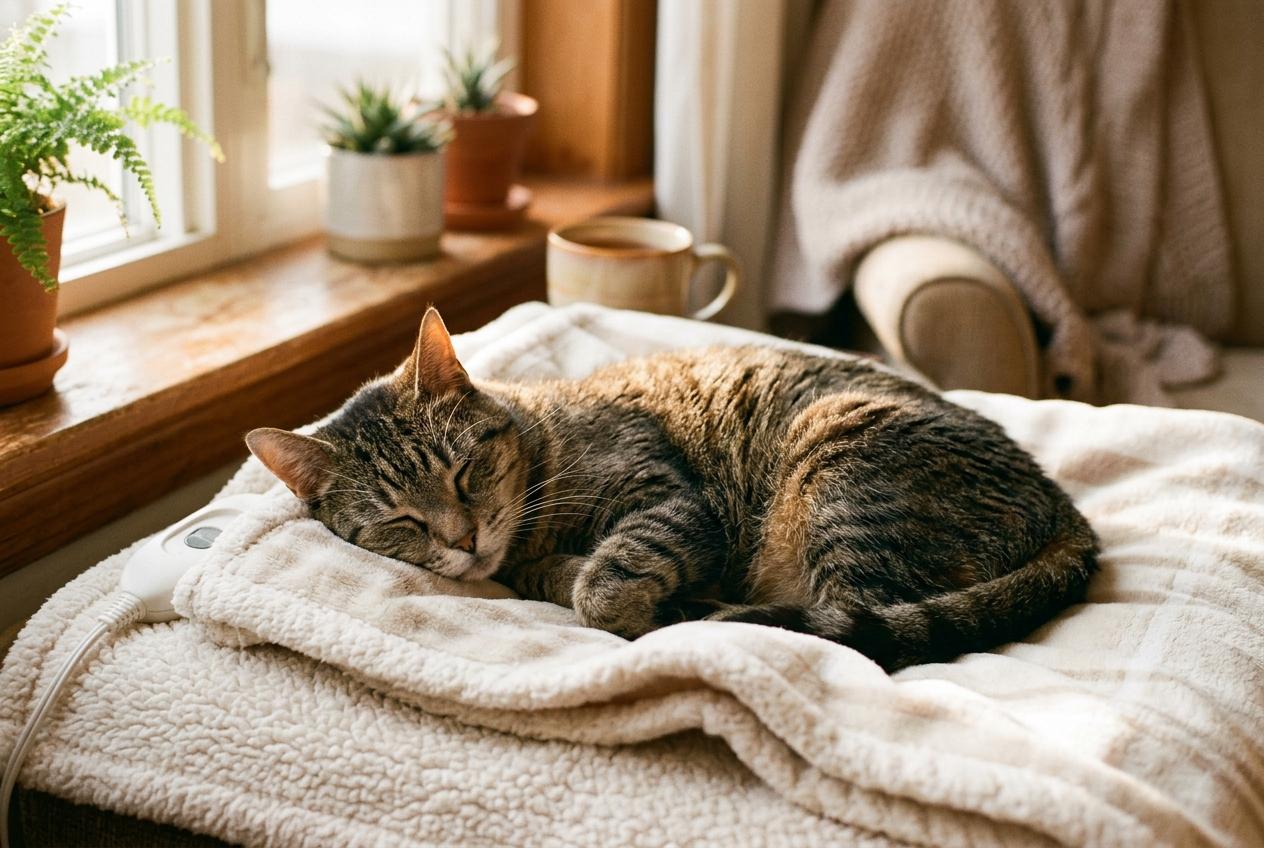
Provide a quiet, warm resting area away from household noise and other animals. Keep bedding clean and make food, water, and a low-sided litter tray accessible if your cat can use them comfortably.
3. Offer Gentle Companionship
Let your cat decide whether it wants affection. Some cats appreciate gentle petting and familiar voices, while others prefer to rest without being disturbed.
4. Avoid Forcing Food or Water
A seriously ill cat may struggle to swallow safely. Ask your veterinarian how to manage hydration and nutrition rather than forcing food or water into its mouth.
5. Discuss Quality of Life
If your cat has a terminal illness, speak with your veterinarian about pain relief, comfort measures, and the signs that indicate its quality of life is declining. Planning ahead can make difficult decisions less overwhelming.
What Happens to a Cat’s Body After Death?
After a cat dies, its breathing and heartbeat stop, and its body gradually begins to cool. The muscles may become stiff after a period of time. These are natural physical changes that occur after death.
If your cat dies at home, contact your veterinarian for guidance on confirming the death and arranging aftercare. If you are uncertain whether your cat is still alive, seek emergency veterinary assistance rather than assuming it has passed away.
Once death has been confirmed, owners generally have several options for caring for their cat’s body.
Home Burial
Some families choose to bury their cat at home, where local laws and property conditions permit it. Before choosing this option, check local regulations and any environmental or public-health requirements.
Pet Cemetery
A pet cemetery can provide a dedicated resting place. Some facilities offer individual graves, memorial markers, and opportunities for families to visit.
Pet Cremation
Cremation is another common choice. Depending on the provider, families may choose individual cremation, with ashes returned to them, or communal cremation, in which ashes are not returned individually.
Veterinary Guidance
A veterinary clinic can explain the available options, likely costs, and any local requirements. Choosing an appropriate aftercare option can give families time and space to say goodbye.
Do Cats Grieve When Another Cat Dies?
Cats can form social bonds with other cats and household pets. When a familiar companion dies, a surviving cat may show changes in behaviour that resemble grief.
Research published in Applied Animal Behaviour Science and reported by NPR in August 2024 found that owners sometimes observed changes such as reduced eating and playing, increased attention-seeking, more sleeping, and searching behaviour after another household pet died.
However, animal grief is still an evolving area of research. Behavioural changes may also reflect disrupted routines, a quieter home, or the emotional state of the surviving pet’s owner.
If your remaining cat appears unsettled, consider these supportive steps:
- Maintain familiar feeding and sleeping routines.
- Give your cat attention without overwhelming it.
- Offer gentle play and opportunities for exploration.
- Monitor eating, drinking, grooming, and litter-box habits.
- Seek veterinary advice if changes are severe, persistent, or accompanied by other symptoms.
Not every cat will show obvious signs of missing a companion, and this does not necessarily mean the cat had no bond with the animal that died.
How Can You Cope With Losing a Cat?
Losing a cat can leave a genuine emotional gap in a household. The absence of familiar sounds, routines, and companionship may make everyday activities feel different.
Grief is personal. Some owners feel immediate sadness, while others experience shock, guilt, or a sense of emptiness that develops over time.
There is no single correct way to mourn a pet. You may find comfort in:
- Keeping photographs or creating a small memory album.
- Writing down favourite memories and funny moments.
- Sharing your feelings with friends or family who understand.
- Creating a small memorial, if that feels meaningful.
- Allowing yourself time to adjust without judging your emotions.
Children may also need help understanding what has happened. Use clear, age-appropriate language and give them opportunities to ask questions, draw pictures, or share memories.
Remembering a cat’s life can be a meaningful way to honour the companionship it brought into your home.
Where Do Cats Go After They Die?
This question can have different meanings depending on a person’s beliefs and experiences.
From a scientific perspective, death marks the end of the body’s biological functions. Science cannot establish whether an animal has an afterlife or what happens to consciousness after death.
Religious and spiritual traditions offer different perspectives, and many people find comfort in their personal beliefs. Others find meaning in remembering the bond they shared with their pet and the positive impact the animal had on their lives.
Whatever your beliefs, it is possible to honour a cat’s memory by celebrating the care, trust, and companionship you shared.
Frequently Asked Questions About What Happens to Cats
What are the signs that a cat may be dying?
Possible signs include severe weakness, reduced appetite, weight loss, hiding, poor grooming, and changes in breathing. These symptoms can also indicate treatable medical conditions, so consult a veterinarian.
Do cats hide when they are dying?
Some cats seek secluded places when they feel unwell or vulnerable, while others remain close to their owners. Hiding alone cannot confirm that a cat is dying.
Can a cat die peacefully in its sleep?
Some cats may die quietly, but a natural death is not always painless or peaceful. Veterinary guidance can help prevent or manage suffering and determine the most appropriate care.
Should I let my other cat see its companion after death?
There is no universal recommendation that applies to every cat. Ask your veterinarian for advice based on the circumstances. Continue supporting the surviving cat with familiar routines and monitor its behaviour.
How long does it take to recover from losing a cat?
There is no fixed timeline. Grief depends on the individual, the relationship with the pet, and the circumstances of the loss. It is normal for memories to bring up sadness long after a cat has died.
What should I do immediately after my cat dies?
Contact your veterinarian for confirmation if needed and guidance on aftercare. You can then discuss burial, cremation, or other lawful options available in your area.
Final Thoughts
Understanding what happens to cats during their final days and after death can help owners respond with greater care and compassion. Changes in behaviour, appetite, and movement deserve attention, but they should never be used alone to predict death.
If your cat is seriously ill, seek veterinary guidance, prioritise comfort, and discuss the options available for treatment or end-of-life care. If your cat has already passed away, give yourself time to grieve and choose a meaningful way to remember the life you shared.
A cat’s life may be shorter than ours, but the companionship and memories it leaves behind can remain important for years to come.